Because content creation is not a one-stop job, we’ve created this 5 step content optimization guide.
In this guide you’ll find the insights needed to create a 360° birds-eye view to support your content creation workflow.
At each step, we’ll suggest complimentary SEO / AI Tools or Automated API solutions that assist you in discovering keyword opportunities, crafting effective content, and tracking your progress.
As you know we love Tools, so we hope you do too.. ;-))
1. Keyword research

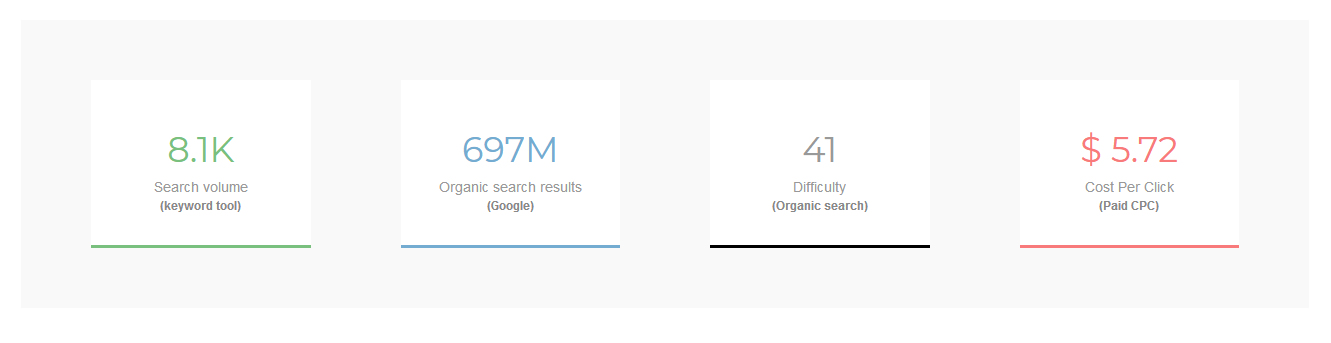
Selecting the right keywords can be challenging because you have to keep these 3 factors in mind when performing successful keyword research.
- Search intent
- Search volume / traffic potential
- Keyword difficulty / competition
We’ve developed these tools for you to make it easier to pick the right keywords.
Recommended tools
API solutions


2. Content creation and optimization

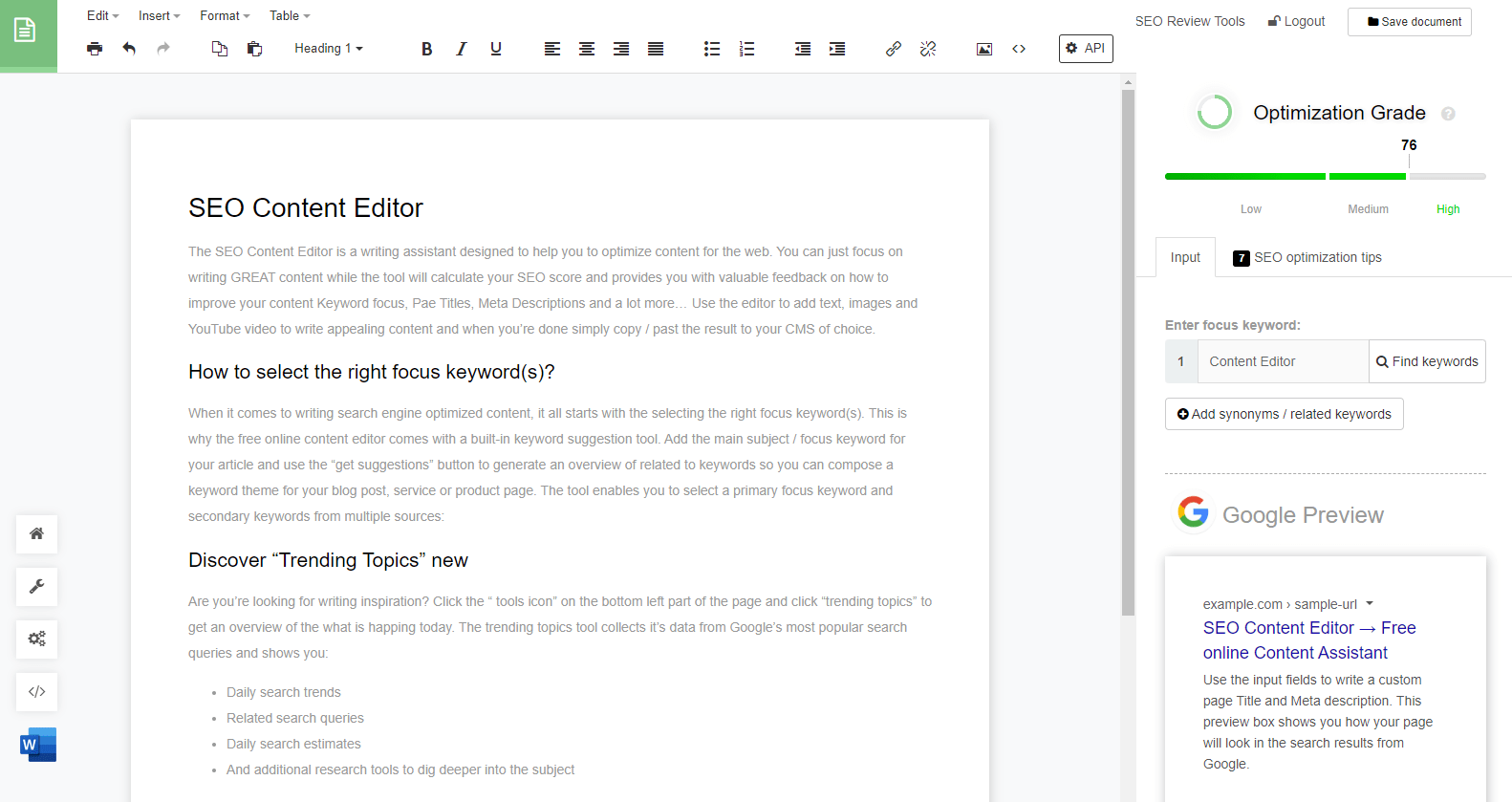
Once you’ve selected your topic and semantically related keywords it’s time to start creating your content. Make sure you’re writing content that’s considered helpful and reliable to meet Google’s helpful guide lines. We’ve designed different tools to help copywriters create content that’s able to successfully rank in Google and AI search engines like: ChatGPT, Gemini, Claude, …


Recommended tools / resources
API solutions
3. Content promotion
You’ve published your content and now it’s time to get exposure. But be aware of the fact that you’re not alone.. over 7.5 million blog post are published on a daily basis. This means you have to put all your resources to work, including: social media, paid advertising, email, push notifications, content communities and more. By promoting your content you’ll improve the chances for your content to increase visibility and to earn backlinks.
Recommended tool
4. Monitoring


Keeping track of your progress is key to a successful content strategy. Use Google Analytics to see how your new content is contributing to your overall traffic flow. Google Search console is the perfect tool to uncover the keywords that direct traffic from organic search to your new content. Keep in mind that crawling and ranking might take some time. Depending on the authority of your domain it can take up to 1 – 3 weeks before you start to see the first rankings and after 4 weeks the new content will start to show its full potential.
For AI platforms (like: ChatGPT, Gemini, Claude and others) we recommend using GA4. Here you can monitor Referral Traffic: from sources like chat.openai.com, bing.com, perplexity.ai, and gemini.google.com to see if AI is sending users to your content.
Recommended tools / resources
API solutions
5. Evaluate and Adjust
Evaluating and adjusting is probably the most underrated part of the content optimization process. Based on the data you collected during the previous step you need to evaluate the keywords that you targeted. Some examples questions you can ask yourself:
- Has the content been able to rank for the selected keywords?
- Has the content contributed to attracting new relevant visitors from AI and Organic search?
- Has the content directly generated conversions or played a supporting role in the conversion journey?
- Has the content earned new backlinks?
Note: if individual pieces of content don’t provide you with enough data you can also use content groups to base your decisions on.
Use these insights to get a better understanding of the types of topics you can target and if content is performing like expected. If this is not the case update and retarget the content.
How Google and ChatGPT rank and reward content can change over time, for this reason it’s important to keep monitoring your content and to adjust accordingly.




















 Get the new Chrome Extension!
 Chrome extension