Based on the research performed by Kevin Indig and Profound (who analysed 7K AI citations and 1.6K URLs), we’ve created a simple guide to improve the likelihood of your content being featured by the major chatbots and in AI overviews.
This research specifically focused on the differences between the top 10% most cited sources, compare to the bottom 90% results. The 10 researched metrics range from Flesh reading score to backlinks and Domain authority and their impact on ChatGPT, AI overviews in search and Perplexity.
AI visibility Factors
| ChatGPT | AI Overviews | Perplexity | Average | |
| Word Count | 0.047 | 0.153 | 0.191 | 0.13 |
| Sentence Count | 0.046 | 0.105 | 0.155 | 0.102 |
| Domain Rating | 0.161 | 0.034 | 0.074 | 0.09 |
| Flesch Score | 0.115 | -0.037 | 0.113 | 0.064 |
| URL Rating | 0.066 | -0.001 | 0.024 | 0.03 |
| Response Time | 0.048 | -0.021 | -0.006 | 0.007 |
| Domains | -0.037 | -0.032 | 0.005 | -0.021 |
| Total Backlinks | -0.03 | -0.021 | -0.024 | -0.025 |
| Total Keywords | -0.046 | -0.044 | 0.002 | -0.03 |
| Total Traffic | -0.026 | -0.041 | -0.023 | -0.03 |
Most important findings
1. Brand popularity
A brand’s popularity is the biggest factor in whether AI chatbots mention it. It also helps if people strongly associate the brand with a specific product category. To see how competitive your brand is on ChatGPT and other AI chatbots, compare your branded search volume and category presence with your competitors.
How to measure brand popularity?
Brand popularity can be measured by comparing search volume for your brand, use this tool to enter your brand name and your competitors to get an estimate → Additionally it’s interesting to uncover for what categories your brand is performing well in search. Google search console and Google Trends can provide you with more insights on how you brand is performing for product and category related queries.
2. Content depth and quality
The depth of content (word and sentence count) and its readability (Flesch Score) have the biggest influence on citations and links in AI chatbots. However, longer content isn’t better just because it’s long—it’s more likely to be cited because it has a higher chance of answering specific questions asked in an AI chatbot.
How to optimize for Google AI overviews?
Google AI Overviews show the strongest correlation with content depth (word and sentence count). To optimize for AI Overviews, it’s key to produce comprehensive, well-structured, and informative content that thoroughly answers user queries. Content should be detailed yet easy to read, ensuring it provides clear and valuable insights that AI models can reference.
How does Google rate your content
Discover how your content aligns with Google’s Helpful Content & Quality Rater Guidelines and improve on the areas where your content seems to fall short.


Tool → Helpful content analysis
Enrich existing / new content to provide more content depth
Improve the depth of your content by answering frequent asked questions that are directly related to your topic / subject.


Tool → FAQ Generator
How to optimize content for ChatGPT?
ChatGPT seems to reward both readability and domain rating/authority, as shown by its relatively high correlation with Flesch reading Score (0.115) and Domain Rating (0.161) compared to other factors. This suggests that content optimised for clarity and backed by a strong, authoritative domain is more likely to be cited by GPT.
Uncover readability
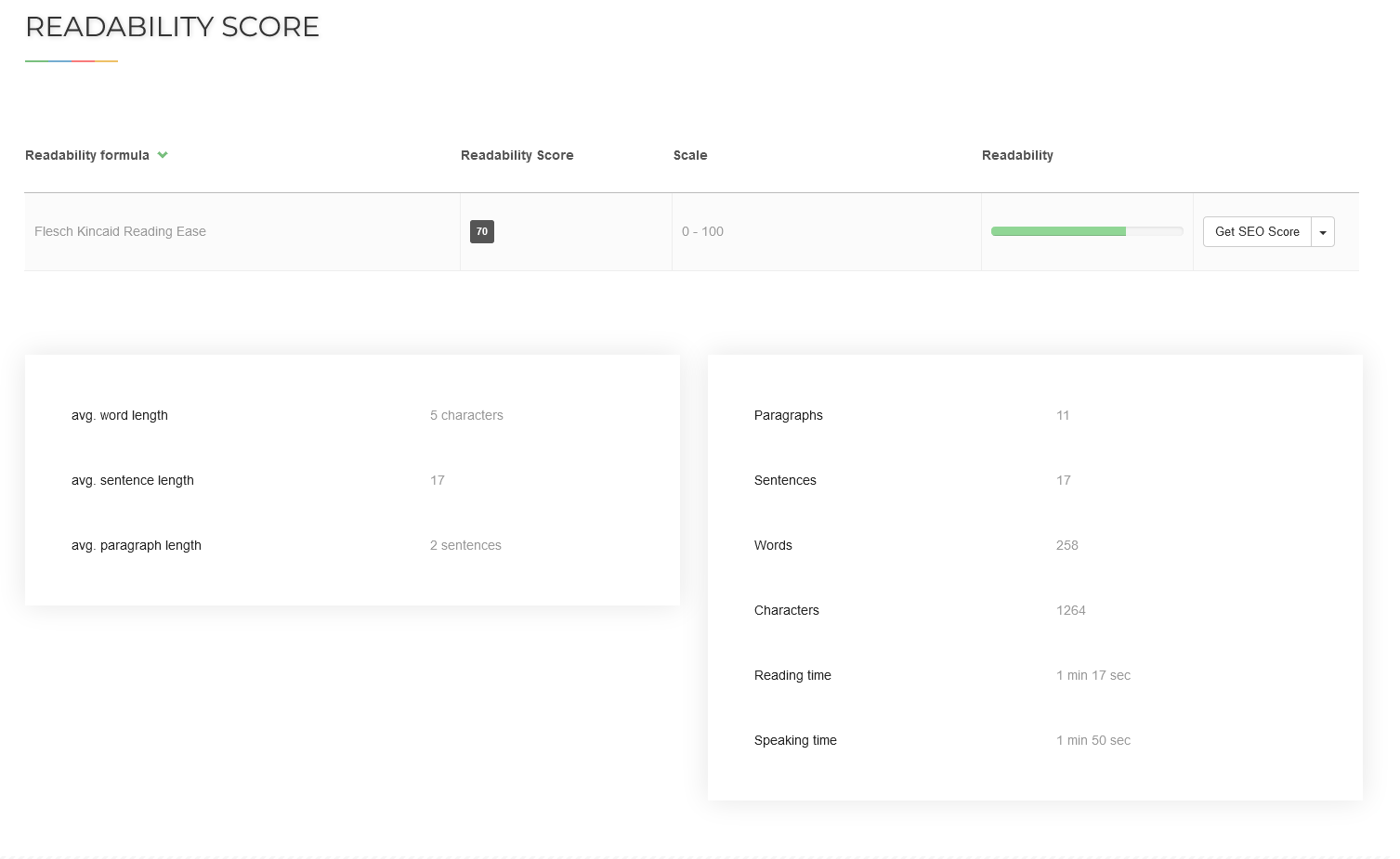
Use the Readability tool to instantly assess the readability of any URL or text input. Simply enter your content, and the tool will analyze its readability score using the Flesch Reading Ease formula.

Tool → Readability Test
Domain authority metrics
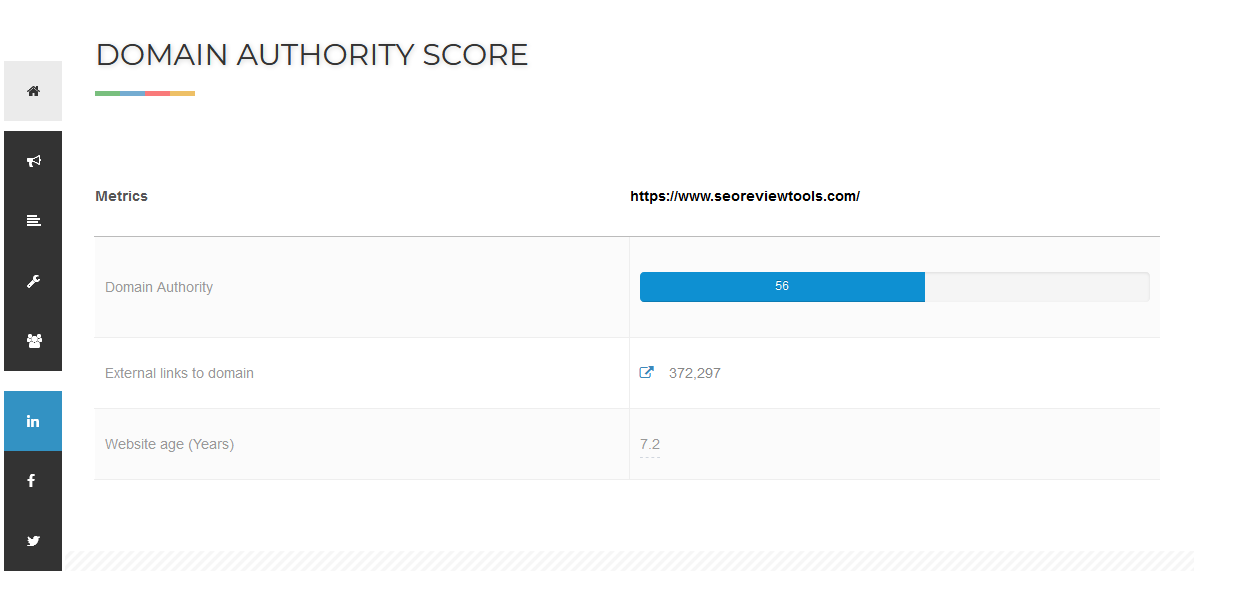
The Website Authority Checker quickly assesses a site’s authority. This metric can be used to compare your domain against the competition in ChatGPT.

Tool → Domain Authority checker
How to improve Domain Authority?
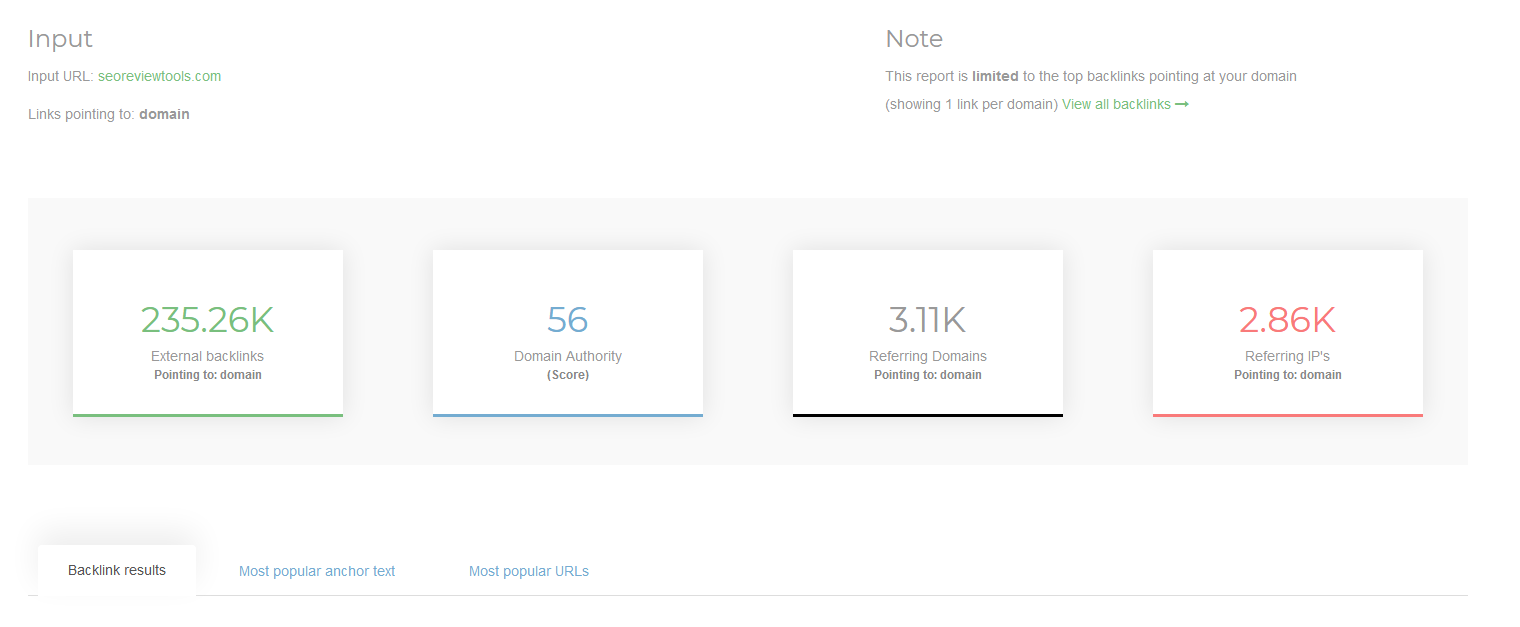
Improving your Domain Authority (DA) involves improving your website’s credibility and trustworthiness. Use the backlink checker to uncover quality backlinks (remember, it’s not about quantity).

Tool → Backlink Tool
How to optimize content for Perplexity AI?
Perplexity AI values Content Depth – It has the highest correlation with word count (0.191) and sentence count (0.155) among all AI chatbots, suggesting that longer, more detailed content is favored. And the Flesch Score (0.113) indicates a strong preference for content that is easier to read.
The advice provided for Google AI overviews shows strong similarity to the factors that have a positive impact on visibility in Perplexity AI. With exception of the Helpful content scan, all other suggestions are highly recommended.
Conslusion
As AI is changing how content is discovered and brand popularity has evolved and become more important than ever before.
The research clearly shows that AI systems don’t just randomly select sources—they favor brands with established popularity, domain authority, and content depth.
The path to improving your brand’s visibility in this AI-first world is about commitment to fundamentals: creating genuinely valuable content, building authentic brand recognition, and developing true category expertise.
From this research, there appears to be a surprisingly low—or even negative—correlation with traditional search ranking factors. However, it’s important to note that the factors included in this study are primarily quantitative metrics, which tell us little about actual content quality. This distinction matters because while metrics like backlink quantity and keyword volume show minimal impact, the qualitative aspects of content (such as backlinks and domain rating) may still play significant roles in AI visibility that aren’t captured by pure numbers alone.



















 Get the new Chrome Extension!
 Chrome extension